
Best Micro-Investing Apps for Beginners
Acorns is the best fully-automated starting point for true beginners. Robinhood and SoFi Invest are the better choice if you're comfortable making your own decisions, since neither charges a subscription fee. Stash offers a DIY-plus-automated hybrid but costs more than Acorns at every comparable tier.
The lineup
ACAcorns
STStash
RHRobinhood
SISoFi Invest
Prices verified July 5-6, 2026 against each company's pricing page. All change regularly.
Acorns — the true autopilot
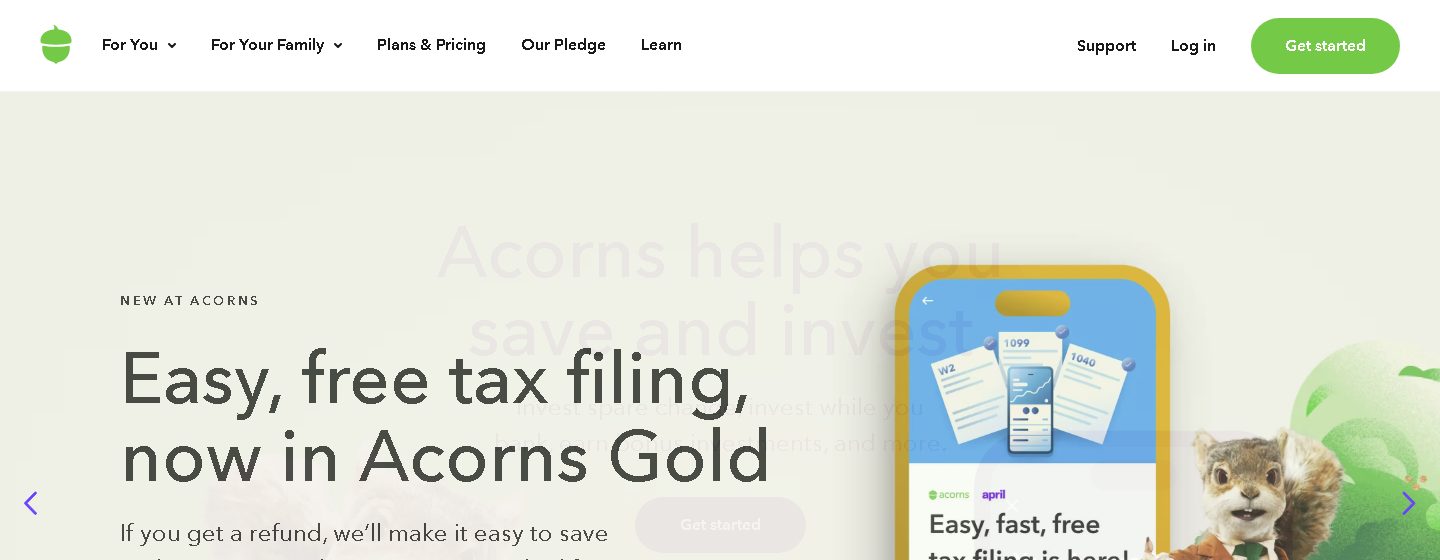
Covered in depth in our full Acorns review and tier breakdown: $3/mo gets a diversified portfolio, automated round-ups, and zero decisions required. It's the most "invest without thinking about it" option here, and the cheapest subscription-based one.
Stash — DIY and automated, but pricier
Stash charges a flat $12/mo for its single plan, covering a personal brokerage account, automated Smart Portfolios, and round-up-style stock purchases through its Stock-Back card. Unlike Acorns, Stash lets you personally pick individual stocks and ETFs alongside the automated option — genuinely more flexible. But at $12/mo ($144/yr), it costs the same as Acorns' top Gold tier while Acorns' base tier is $3/mo. On a $1,000 balance, Stash's fee is a 10.8%/yr drag — steep by any standard. Stash also charges a $75 fee to transfer assets to another brokerage, notably higher than Acorns' $50/ETF.
Stash's own marketing has shown different tier structures at different times — a two-tier $3/$9 split in some places, a single $12/mo plan on their own pricing page. Whichever is live when you sign up, compare it directly against Acorns' $3 Bronze tier, which does the automated-investing job for a quarter of the cost.
Robinhood — free, but you're driving
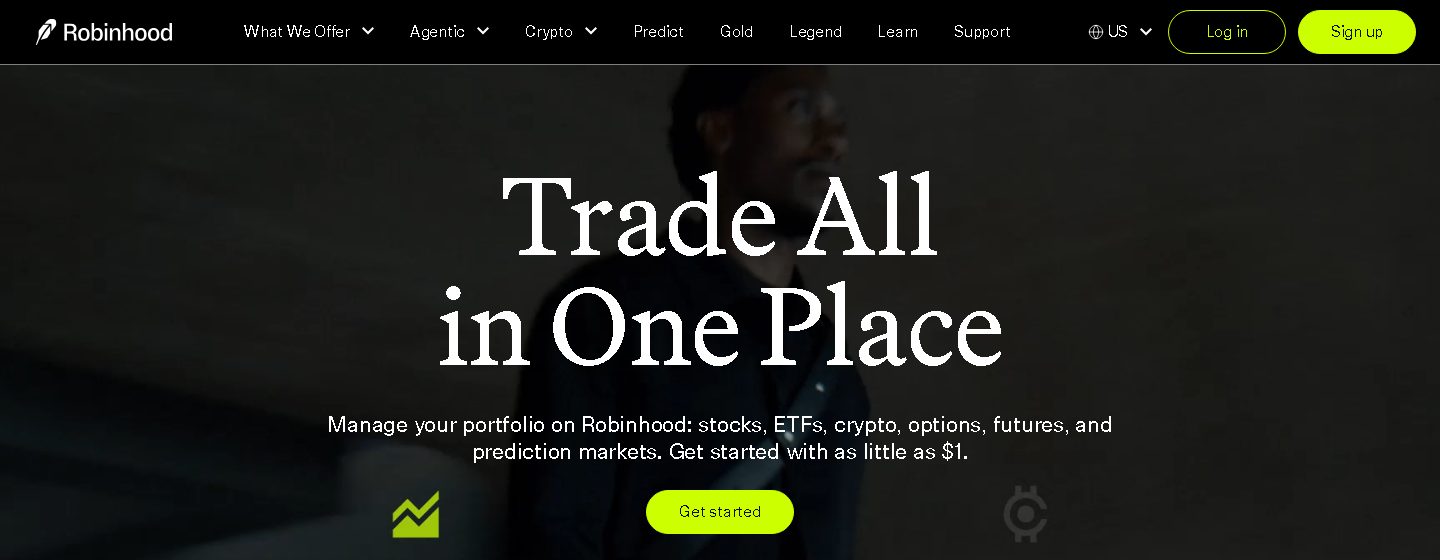
Covered fully in Acorns vs Robinhood: no subscription required for commission-free trading, with an optional $5/mo Gold tier adding a 3% IRA match. The tradeoff is real — Robinhood gives you zero automation and zero guardrails. Good for beginners willing to learn by doing; risky for beginners who'd rather not think about it at all.
SoFi Invest — free, with a robo option if you want it
SoFi Invest charges no monthly or annual subscription fee at all, for either self-directed trading or its automated robo portfolio option — a genuinely rare combination. You'll still pay the normal ETF expense ratios embedded in any fund, but there's no Acorns- or Stash-style flat fee eating into a small balance. The tradeoff versus Acorns is that SoFi's automated option requires slightly more setup and doesn't have Acorns' spare-change round-up hook — the psychological nudge that gets true beginners to actually start.
If you have under $2,000 to invest and want zero decisions, start with Acorns Bronze at $3/mo — the flat fee is smallest here and the automation is real. If you want the same automation with zero subscription fee and don't mind a touch more setup, SoFi's robo option beats Acorns on pure cost once your balance passes a few thousand dollars. If you're ready to pick your own stocks, skip the subscription apps entirely and use Robinhood or SoFi's free self-directed option.
FAQ
What's the cheapest micro-investing app?
Robinhood and SoFi Invest charge no subscription fee at all. Acorns and Stash charge flat monthly fees, with Acorns' $3/mo Bronze the cheapest subscription option.
Best app for total beginners?
Acorns, for full automation and round-up investing with zero decisions. Stash offers something similar but at a higher cost across the board.
Is Stash or Acorns better?
Acorns is cheaper at every comparable tier and offers similar automation. Stash allows more DIY stock-picking flexibility if that flexibility matters to you.
Do these apps charge fees on small balances?
Flat-fee apps like Acorns and Stash take a much bigger percentage bite from a small balance than a large one. Free brokerages like Robinhood and SoFi avoid this entirely.